About
Shariful Haque is a seasoned technology executive, researcher, and innovator with a distinguished career at the intersection of Artificial Intelligence, data analytics, and strategic business operations. He has demonstrated consistent success in driving digital transformation, optimizing enterprise-level performance, and fostering organizational agility through data-driven leadership.
As an independent researcher and technology strategist, he bridges the gap between complex technical implementation and executive-level business objectives. His work is characterized by a commitment to ethical AI governance, the modernization of data ecosystems, and the development of scalable, revenue-generating technology products.
Areas of Expertise
- Data Strategy & Analytics
- AI & Machine Learning
- Blockchain & Emerging Tech
- Operational Leadership & Management
- Predictive Analytics & Innovation
Professional Experience
Collaborating, leading, and executing analytics projects end-to-end. Translate complex business requirements into a roadmap with key milestones and deliverables, aptitude in the key steps of analysis: requirement gathering, data acquisition, advanced analysis, presenting recommendations, implementing solutions and, partner with cross-functional teams.
Served in a dual executive capacity, driving overall operational excellence while simultaneously spearheading the company's digital transformation via Data and Artificial Intelligence strategy. Accountable for P&L management, optimizing core IT service delivery, and ensuring the successful monetization and ethical governance of data assets. Led cross-functional teams focused on product innovation, system modernization, and organizational restructuring for agility.
Directed the enterprise Data Governance function, responsible for developing and enforcing policies, standards, and processes to ensure data quality, privacy, integrity, and regulatory compliance across all telecommunication systems and customer data platforms. Managed data stewardship initiatives and collaborated with legal, IT, and security teams to mitigate data risk.
Bridged the gap between C-level strategic objectives and data technology execution. Developed a long-term data strategy roadmap focused on leveraging network traffic data, customer usage patterns, and IoT data streams to improve network infrastructure and service offerings. Managed the budget and deployment of data modernization projects.
Led the specialized analytics unit focused on gathering, processing, and analyzing competitive market data, pricing strategies, and product performance metrics within the financial services sector. Provided actionable intelligence to the executive team to inform strategic pricing, product design, and market entry decisions.
Education
Skills
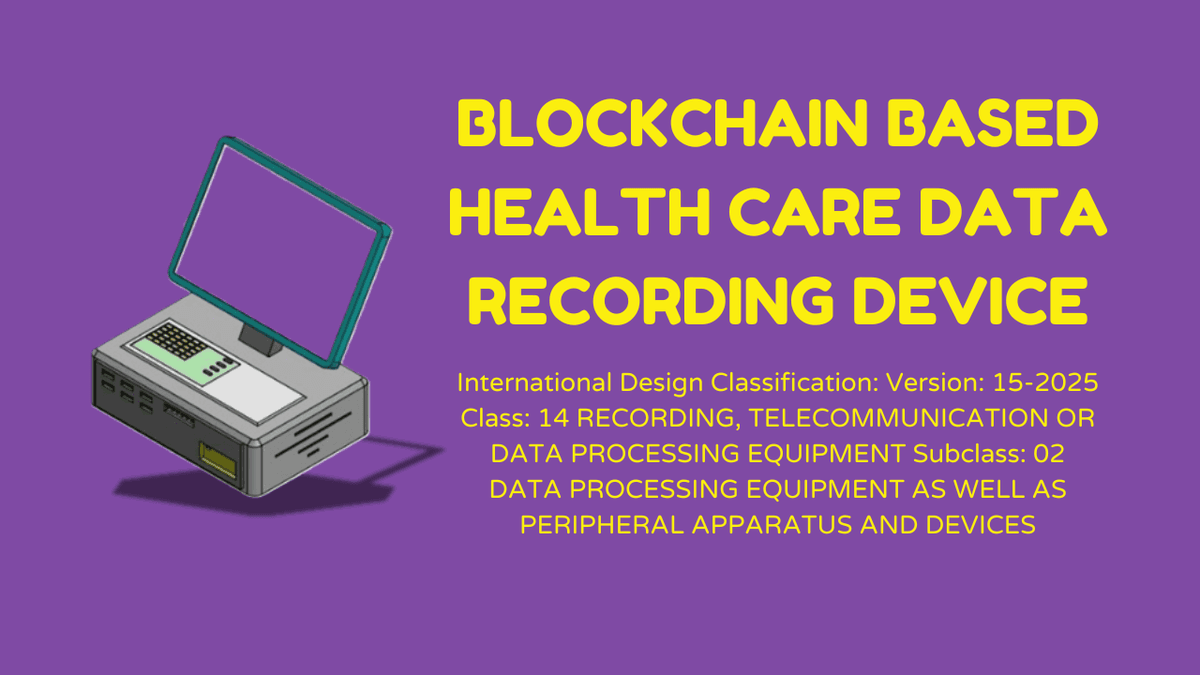
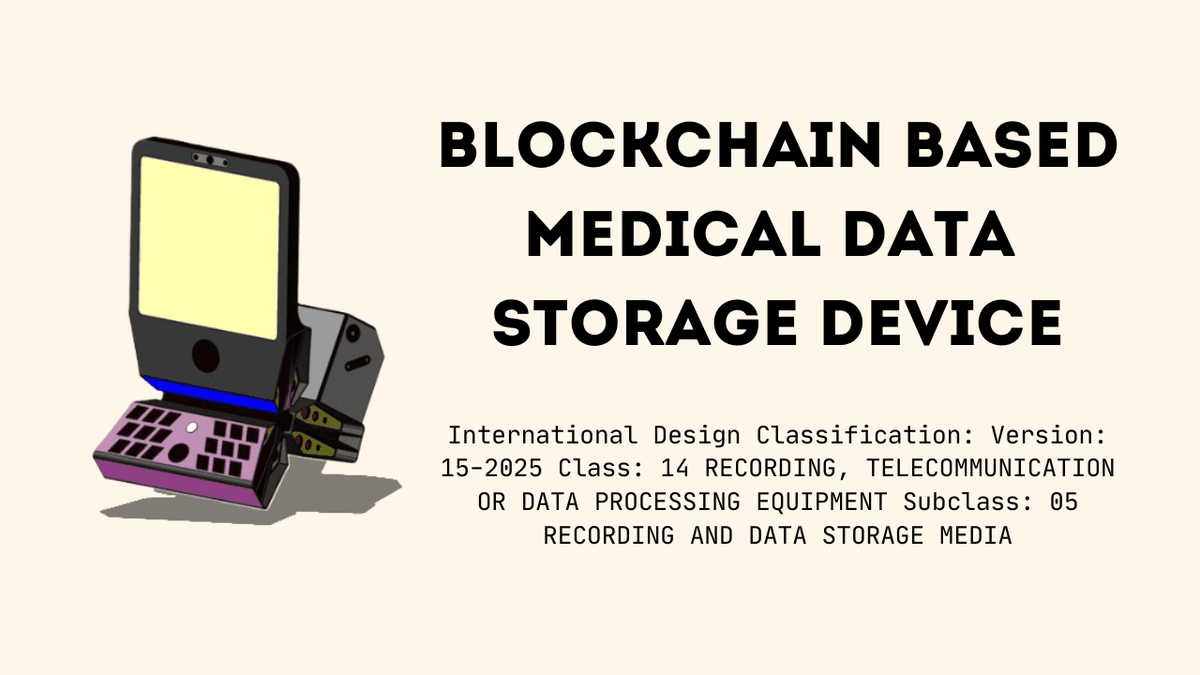
Projects & Patents
A selection of my work. See what I've been building.


Awards & Recognitions
Honored for my contributions and achievements.
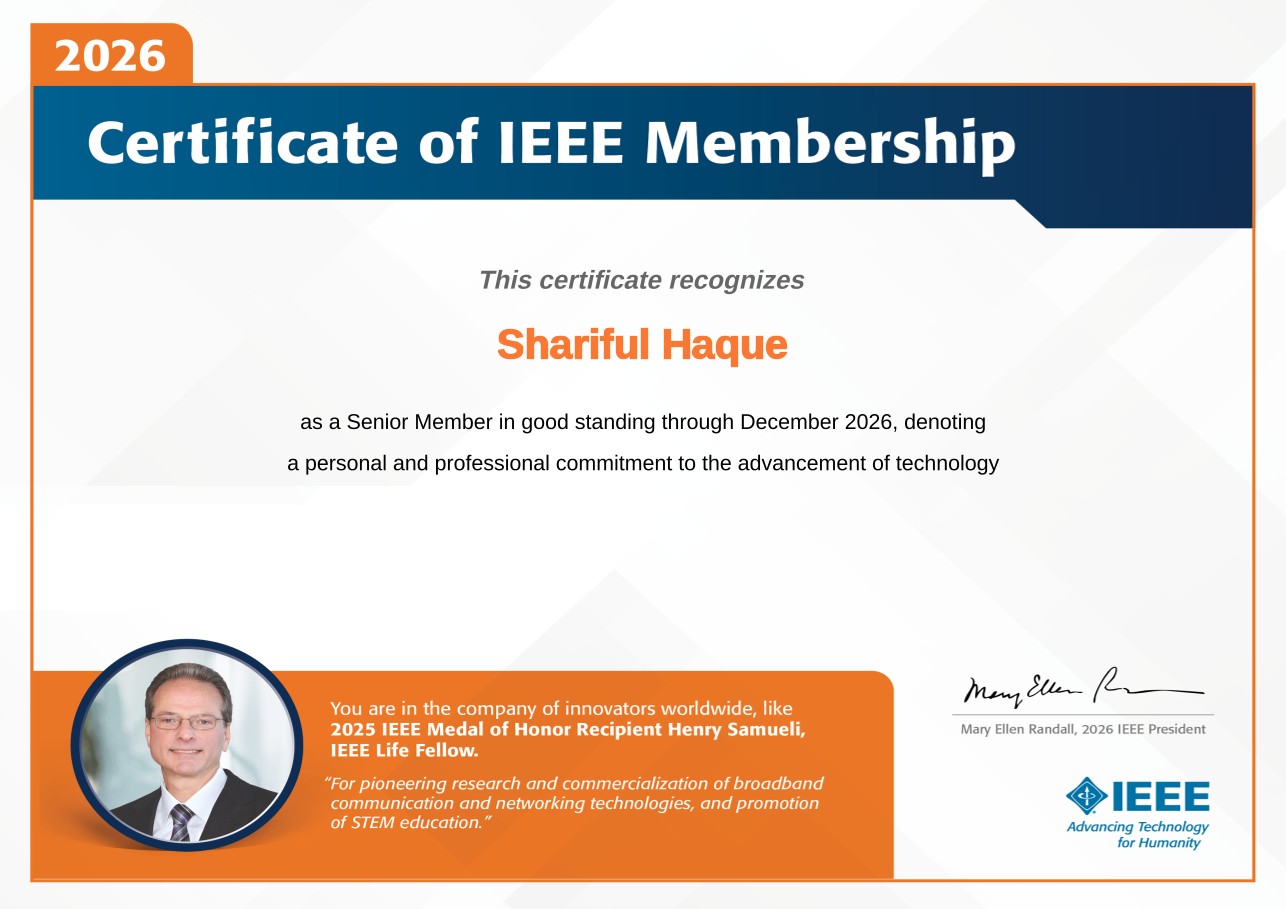
IEEE, 2025
Certificate of IEEE Membership
This certificate recognizes Shariful Haque as an IEEE Senior Member in good standing, reflecting a persona...
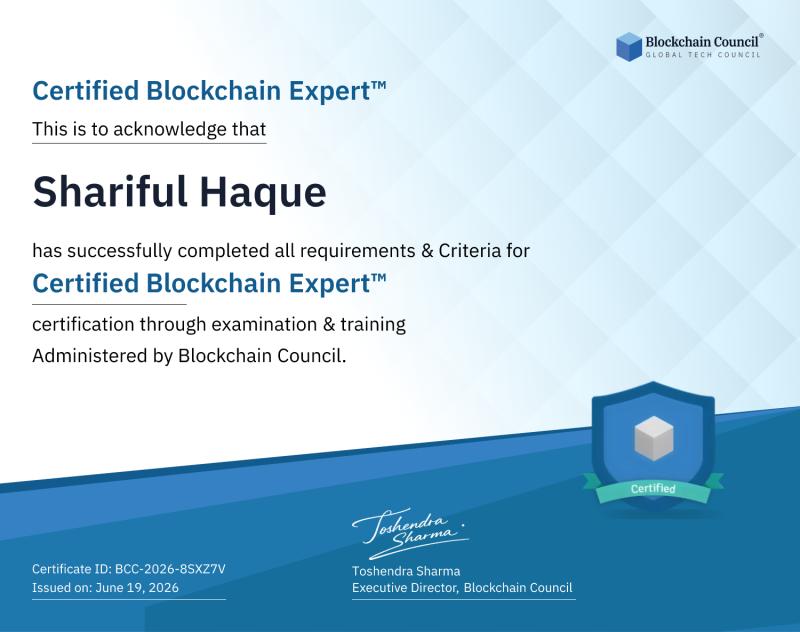
Blockchain Council, 2026
Certification Acknowledgment
This is to acknowledge that Shariful Haque has successfully completed all requirements and criteria for the **Ce...
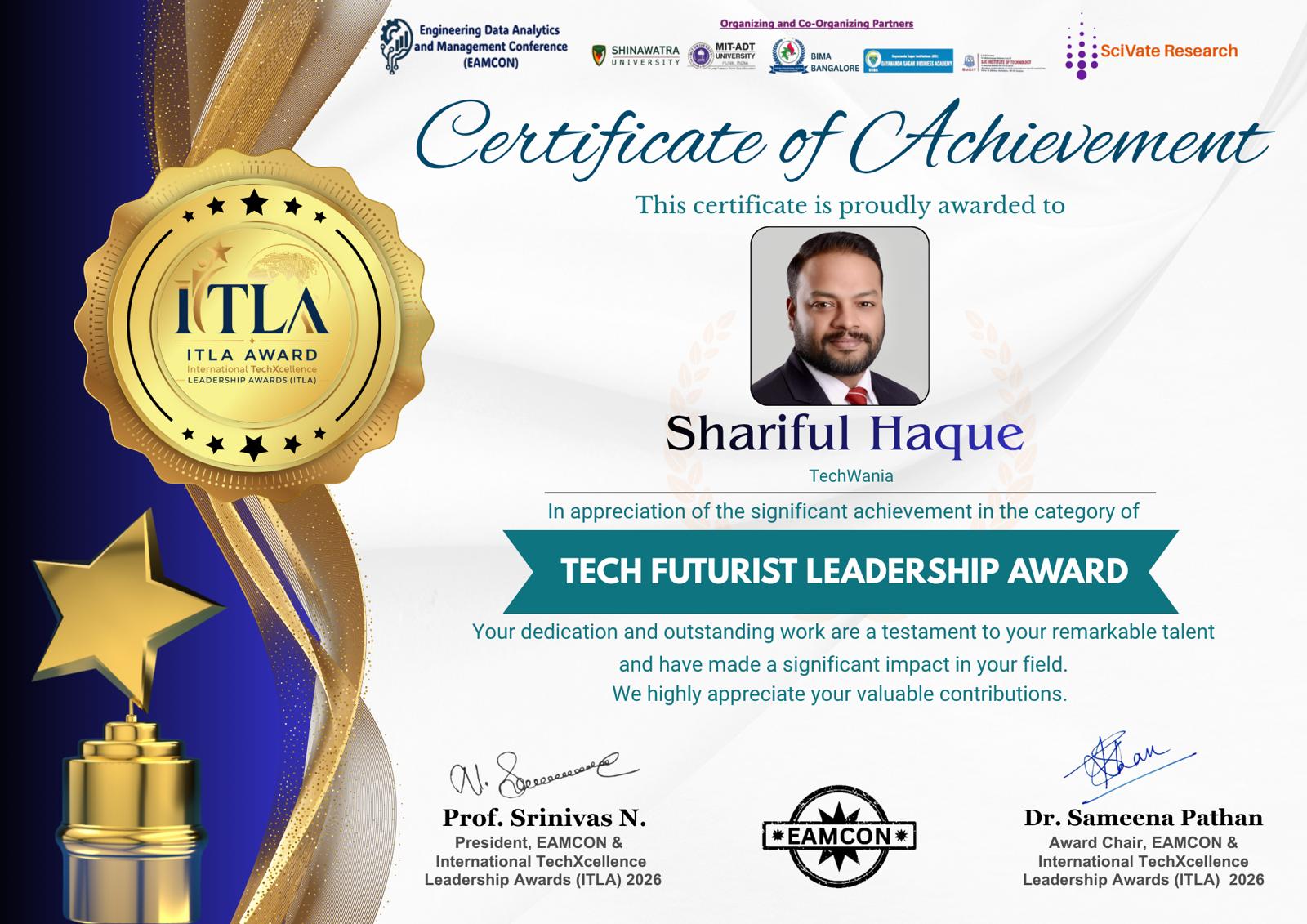
EAMCON, 2026
Certificate of Achievement
This certificate is proudly awarded to Shariful Haque in recognition of receiving the **Tech Futurist Leadership A...
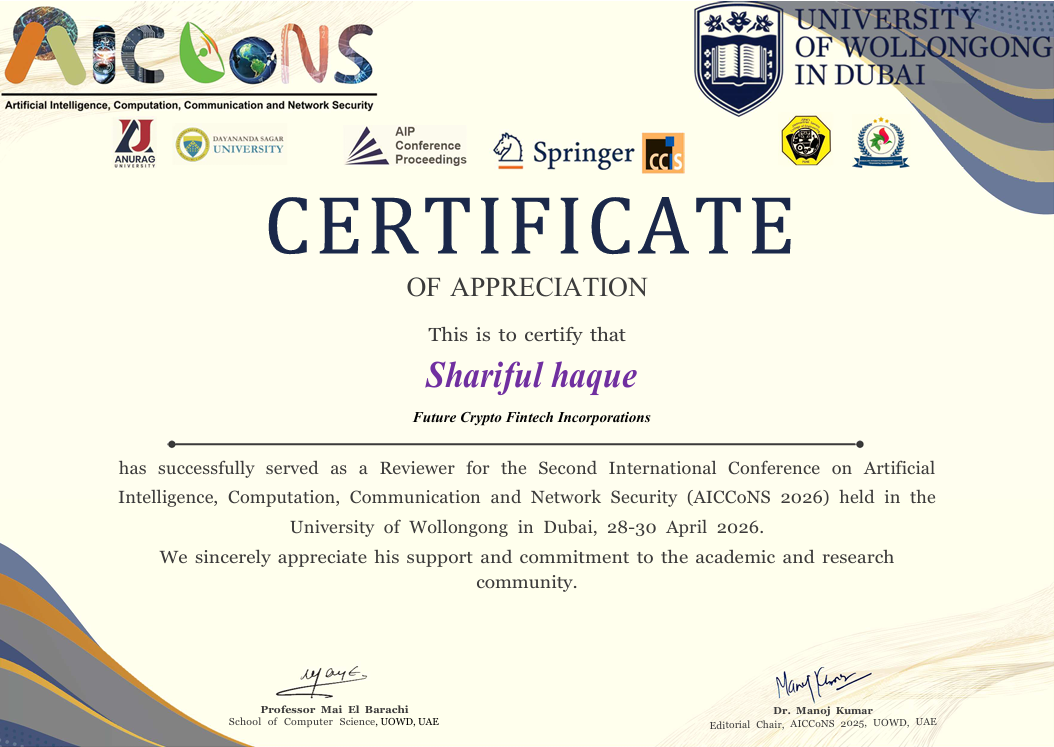
University of Wollongong, Dubai, 2026
Shariful haque Future Crypto Fintech Incorporations
has successfully served as a Reviewer for the Second International Conference on Artificial In...
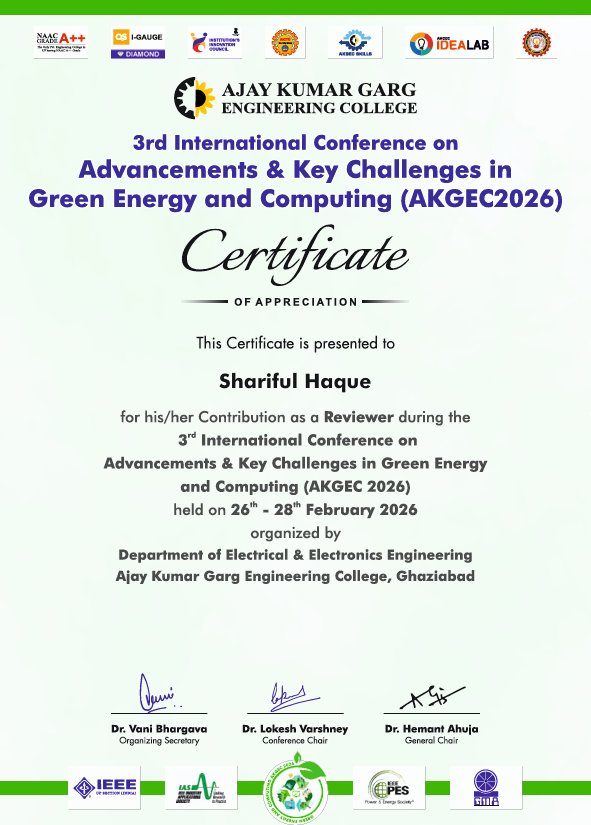
Ajay Kumar Garg Engineering College, Ghaziabad, 2026
This Certificate is presented to Shariful Haque for his Contribution as a Reviewer during the 3'd International Conference on Advancements & Key Chall...
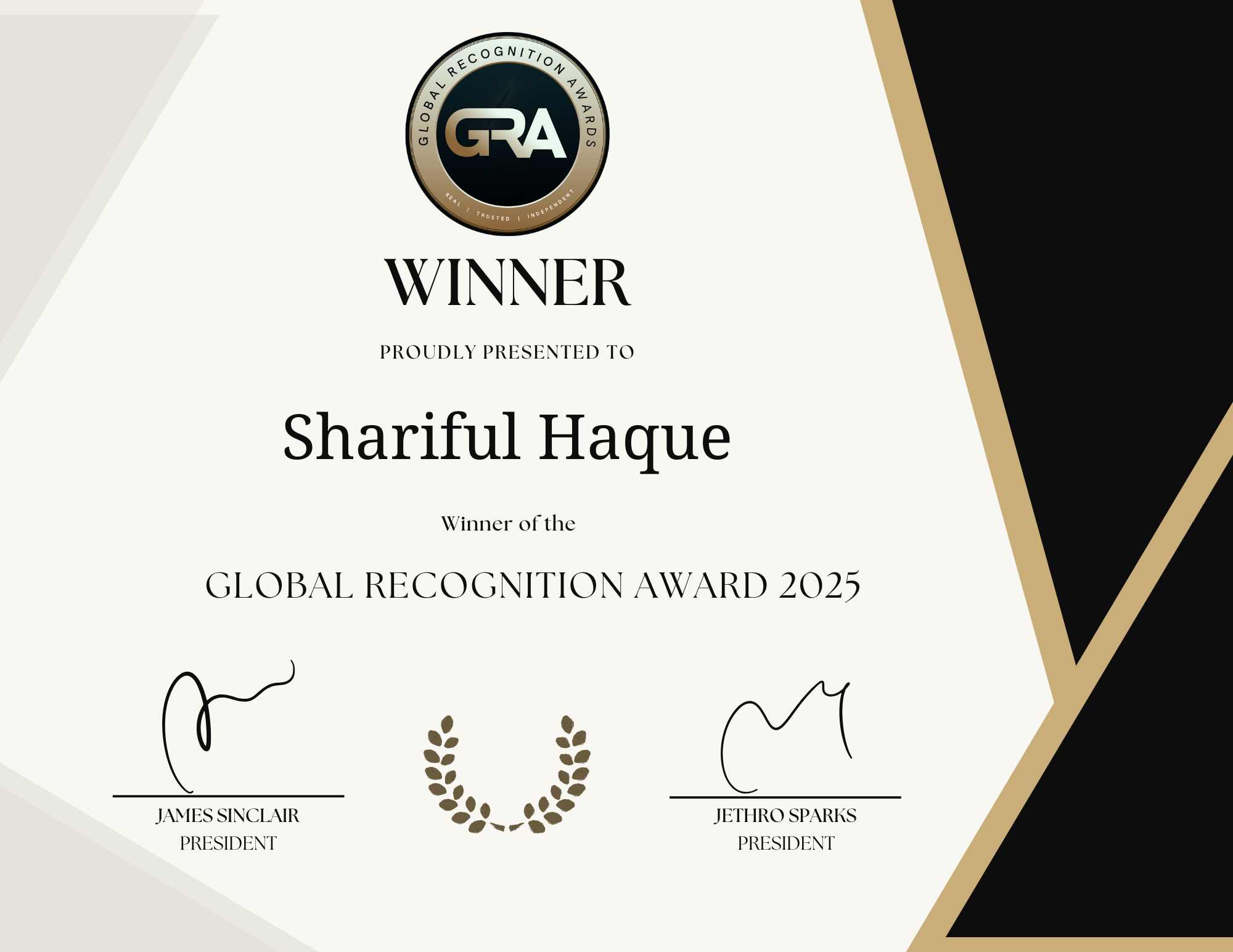
Global Recognition Award 2025, 2025
Shariful Haque has been honored with a 2025 Global Recognition Award for his exceptional contributions to data-driven technology leadership and digita...
News & Press
Media mentions, interviews, and articles.
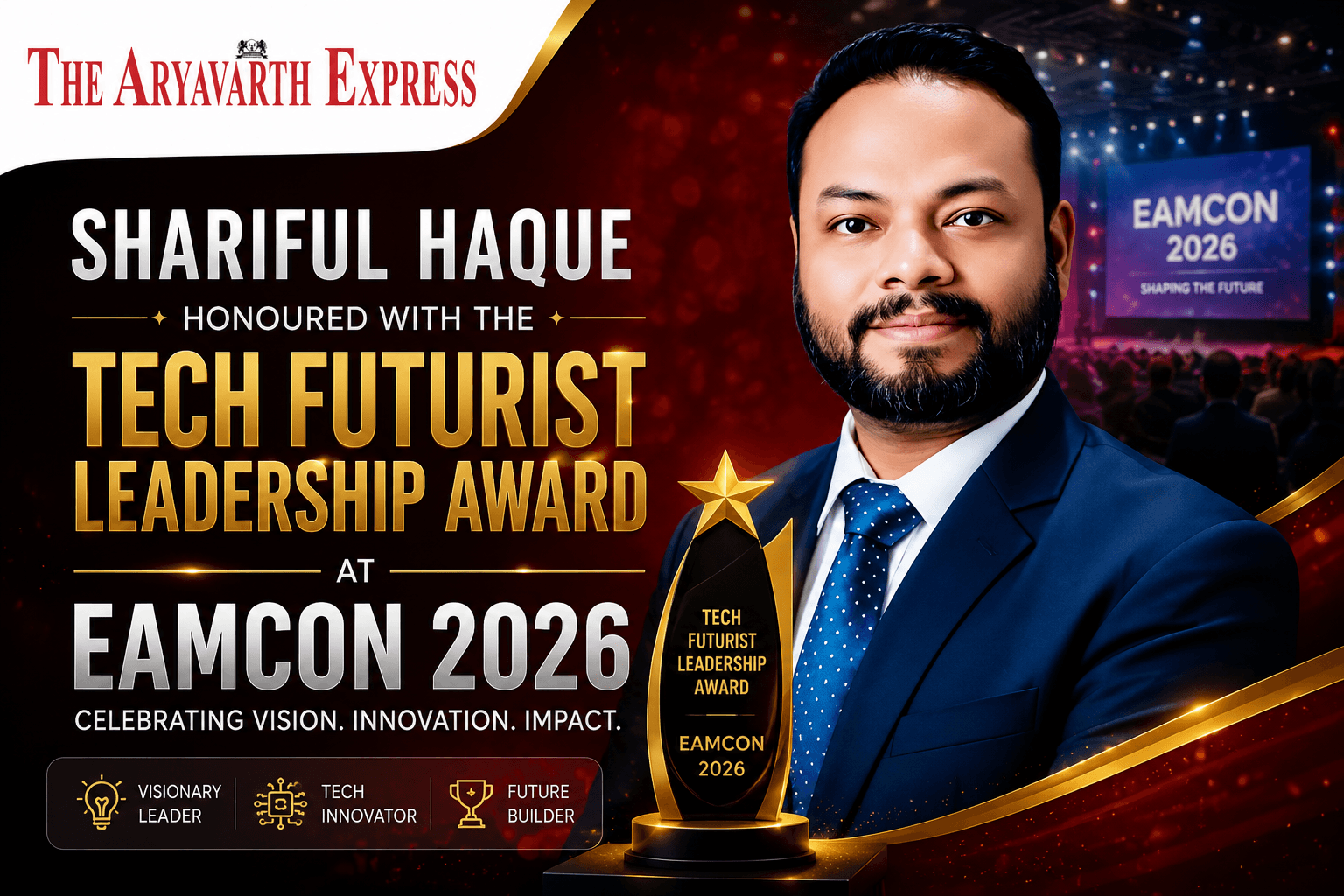

THE ARYAVARTH EXPRESS
EAMCON 2026 Concludes with Resounding Success at Shinawatra University, Thailand International TechXcellence Leadership Awards Honour Global Leaders in Innovation Bangkok, Thailand — The EAMCON 2026 conference wrapped up with resounding success at Shinawatra University, bringing together visionaries, researchers, and industry pioneers from across the globe. The event served as a premier platform for exchanging groundbreaking ideas and fostering collaborations that will shape the future of technology and leadership. Highlights of the Event Venue: Shinawatra University, Thailand Focus: Emerging technologies, innovation, and transformative leadership Key Feature: International TechXcellence Leadership Awards ceremony International TechXcellence Leadership Awards A centerpiece of EAMCON 2026 was the prestigious International TechXcellence Leadership Awards, which recognized and celebrated outstanding global leaders driving innovation across diverse fields. The awards honoured individuals and organizations whose remarkable contributions have made a significant impact on the technological landscape. "These awards are a testament to the extraordinary dedication and vision of leaders who are not just adapting to the future, but actively creating it." Looking Ahead The success of EAMCON 2026 reaffirms its position as a landmark event in the international conference calendar. With its blend of insightful discourse, networking opportunities, and recognition of excellence, the conference continues to inspire the next generation of tech leaders and innovators.
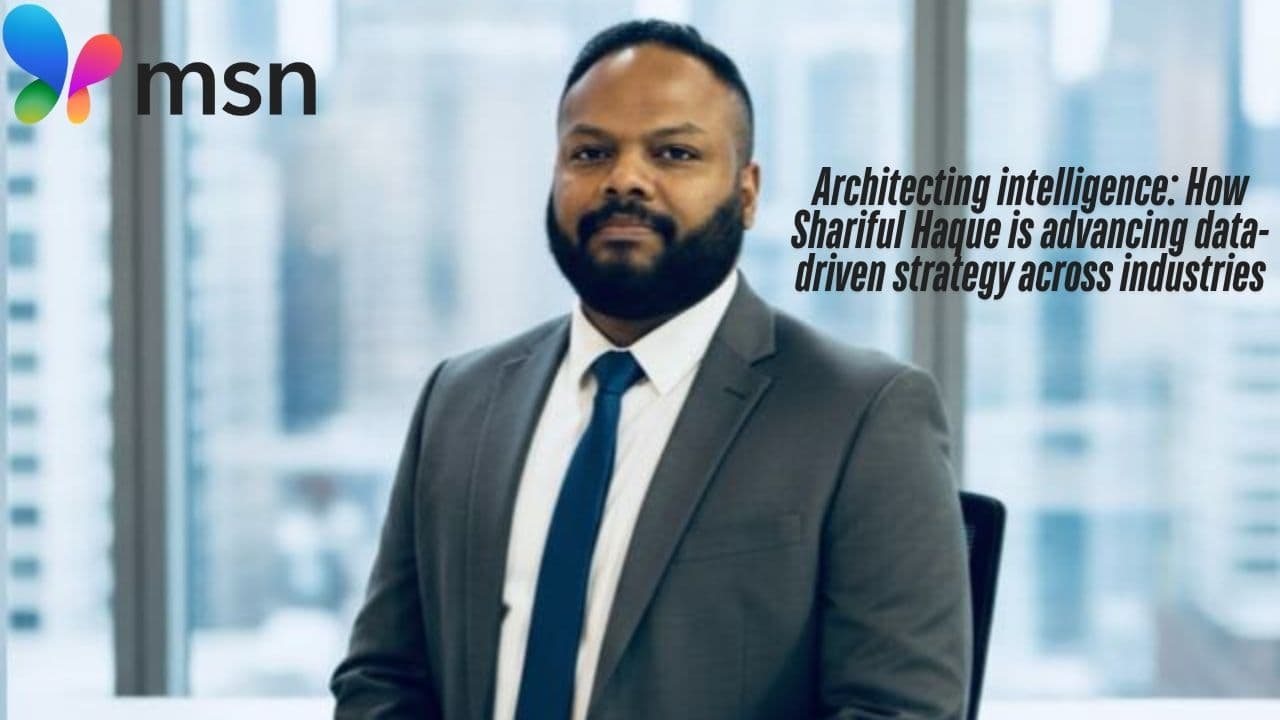

MSN
Shariful Haque is a leader in data analysis and his work includes intelligence making sure data is good and safe and predicting what will happen in the future. He has worked in banking, telecommunications and big technology companies. His career shows how companies are using data more and more to make decisions.
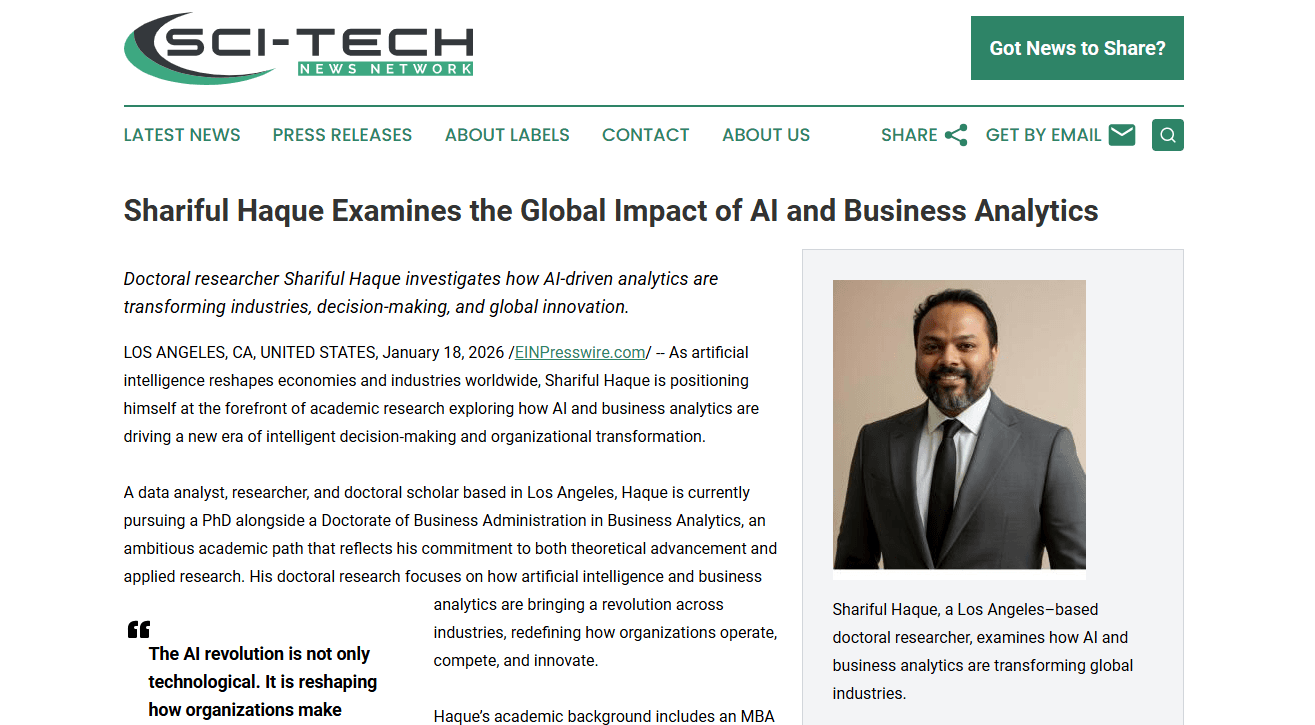

SCI-TECH
As artificial intelligence reshapes economies and industries worldwide, Shariful Haque is positioning himself at the forefront of academic research exploring how AI and business analytics are driving a new era of intelligent decision-making and organizational transformation. A data analyst, researcher, and doctoral scholar based in Los Angeles, Haque is currently pursuing a PhD alongside a Doctorate of Business Administration in Business Analytics, an ambitious academic path that reflects his commitment to both theoretical advancement and applied research.
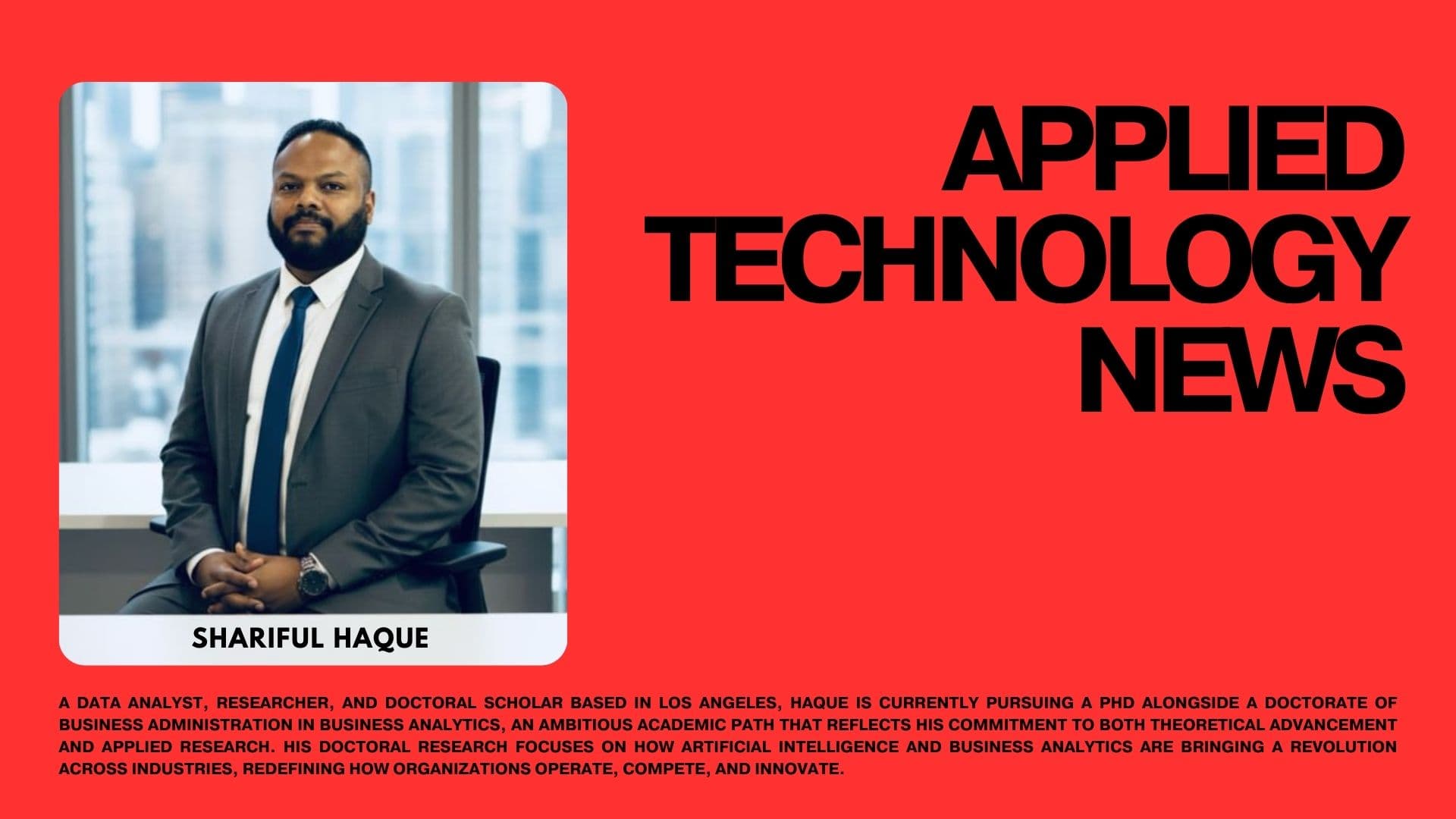

Applied Technology News
Haque’s academic background includes an MBA in Finance and Business Analytics and extensive training in data science, predictive modeling, and statistical research. His work examines AI-driven decision systems, intelligent automation, fintech innovation, digital transformation, and data-centric organizational strategy.
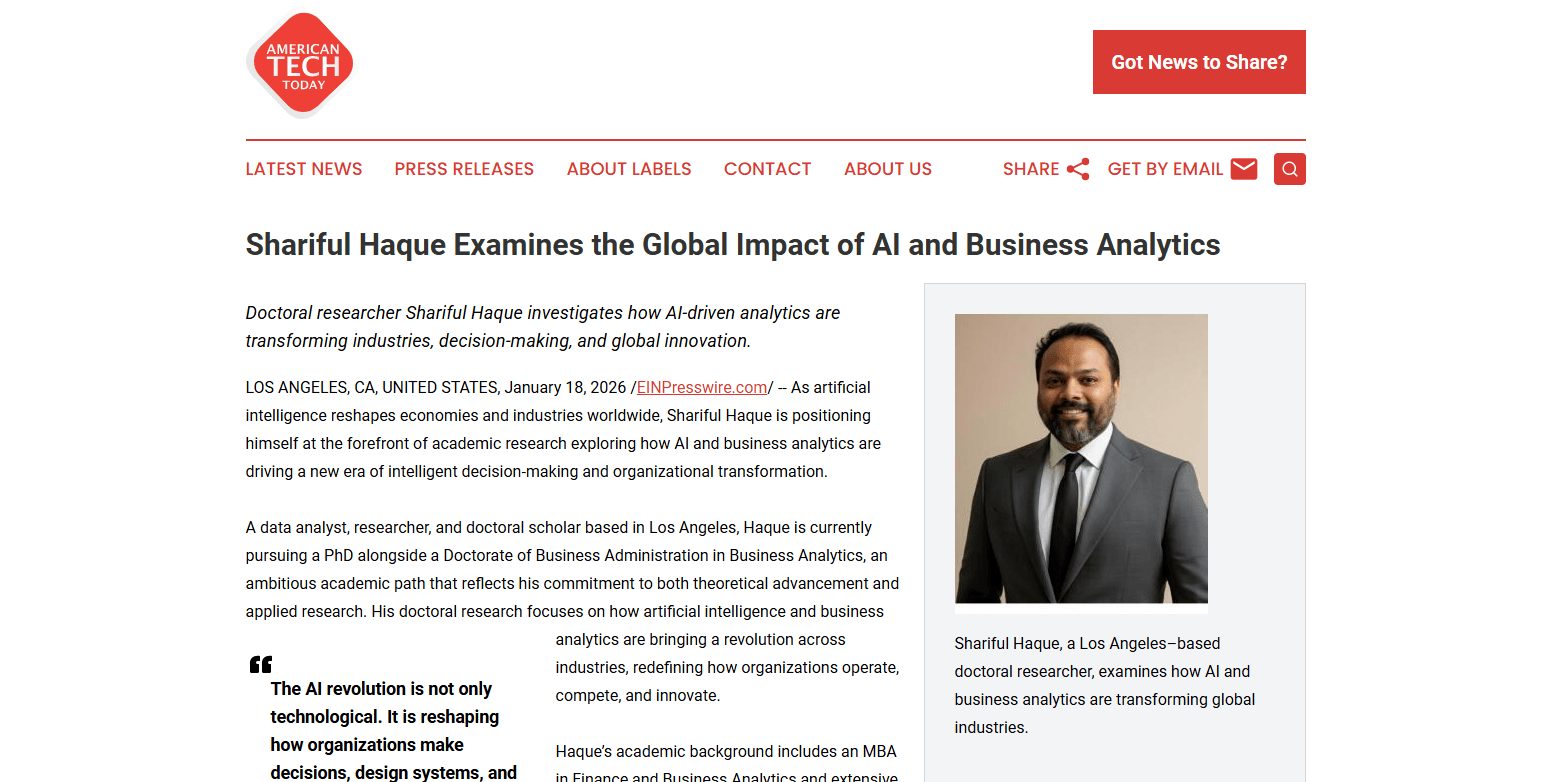

American Tech Today
The AI revolution is not only technological. It is reshaping how organizations make decisions, design systems, and create value across industries.”— Shariful Haque
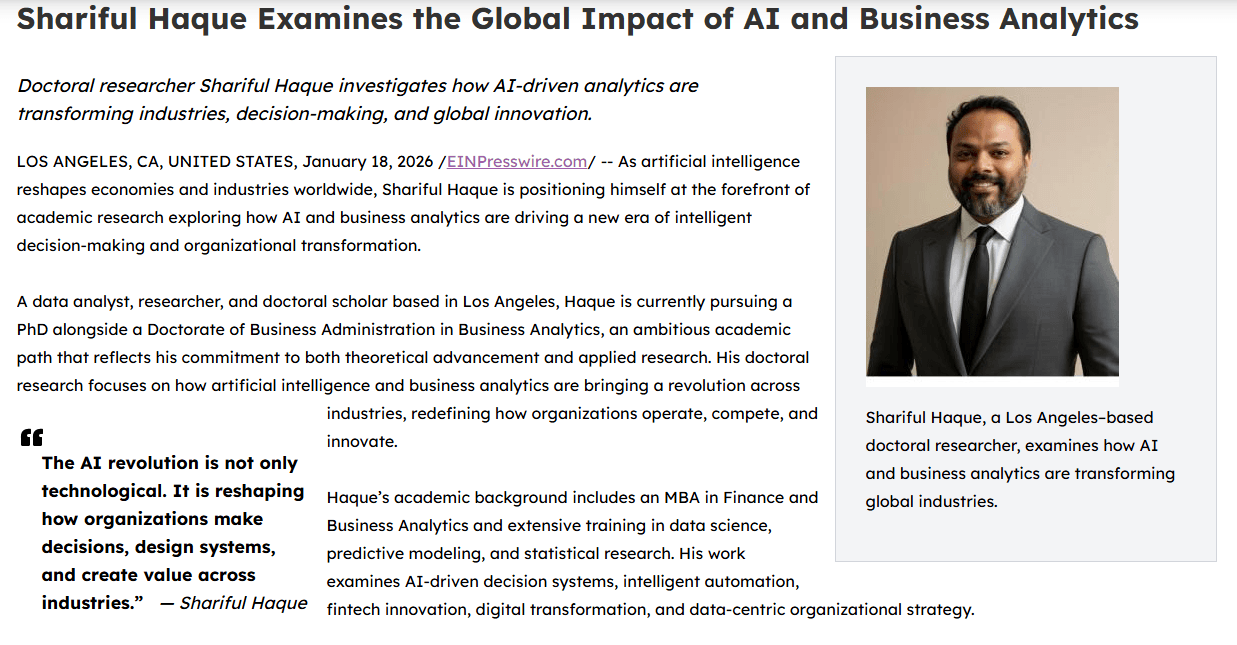

Global Tech Times
A data analyst, researcher, and doctoral scholar based in Los Angeles, Haque is currently pursuing a PhD alongside a Doctorate of Business Administration in Business Analytics, an ambitious academic path that reflects his commitment to both theoretical advancement and applied research. His doctoral research focuses on how artificial intelligence and business analytics are bringing a revolution across industries, redefining how organizations operate, compete, and innovate.
Metademic Lab
Research, made reproducible.
Founded by Shariful Haque, Metademic is an independent laboratory exploring artificial intelligence, intelligent systems, and computing — turning research questions into experiments, tools, and reproducible knowledge.
Artificial intelligence
Learning, reasoning, and evaluation methods for capable AI models and practical applications.
Distributed computing
Architectures that coordinate computation across heterogeneous devices and changing networks.
Trustworthy systems
Reliability, security, and transparent evaluation for AI and engineered systems.
Books
A collection of my authored works and recommended reading.
From the Blog
Check out my latest articles and insights.
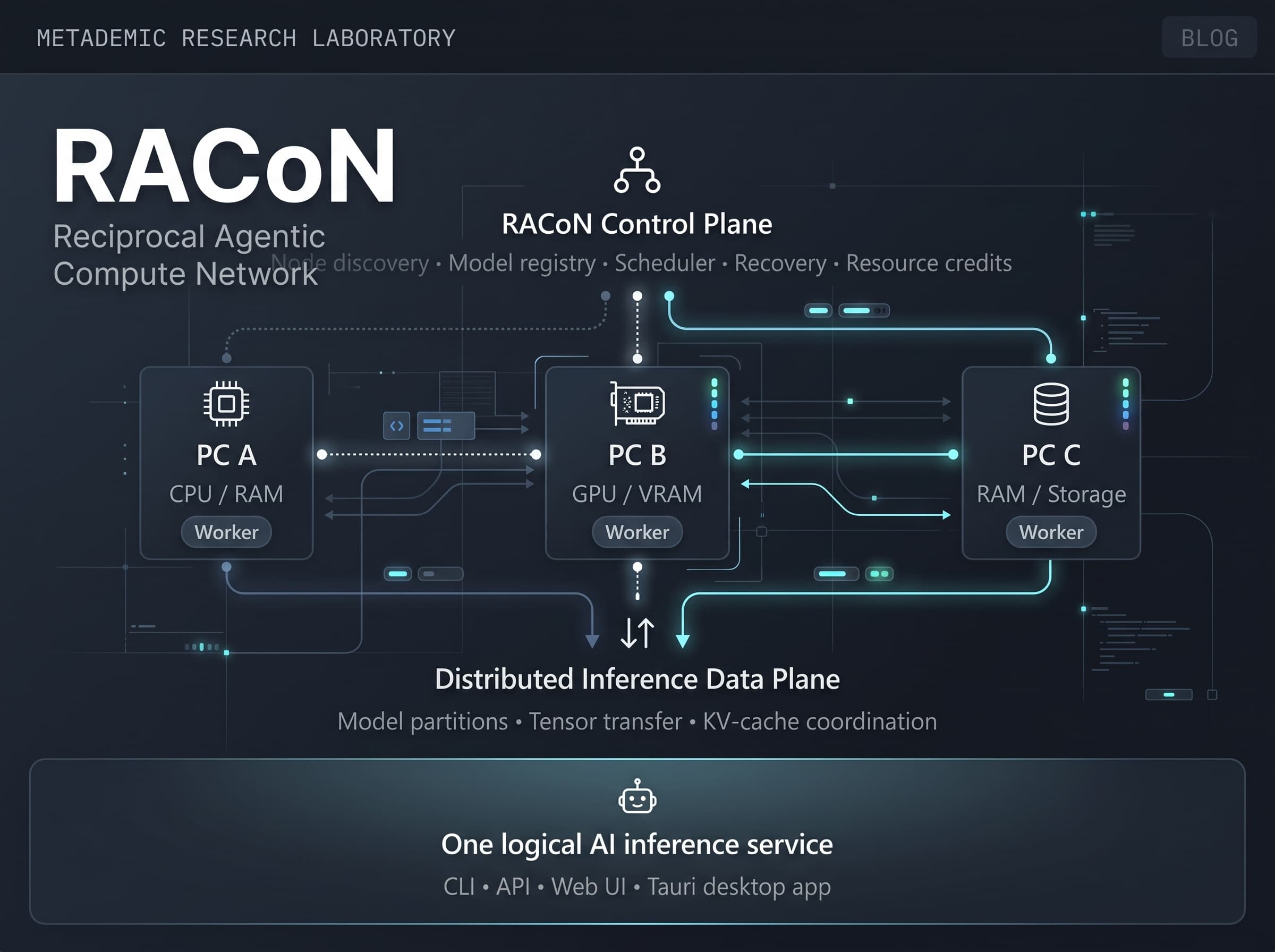
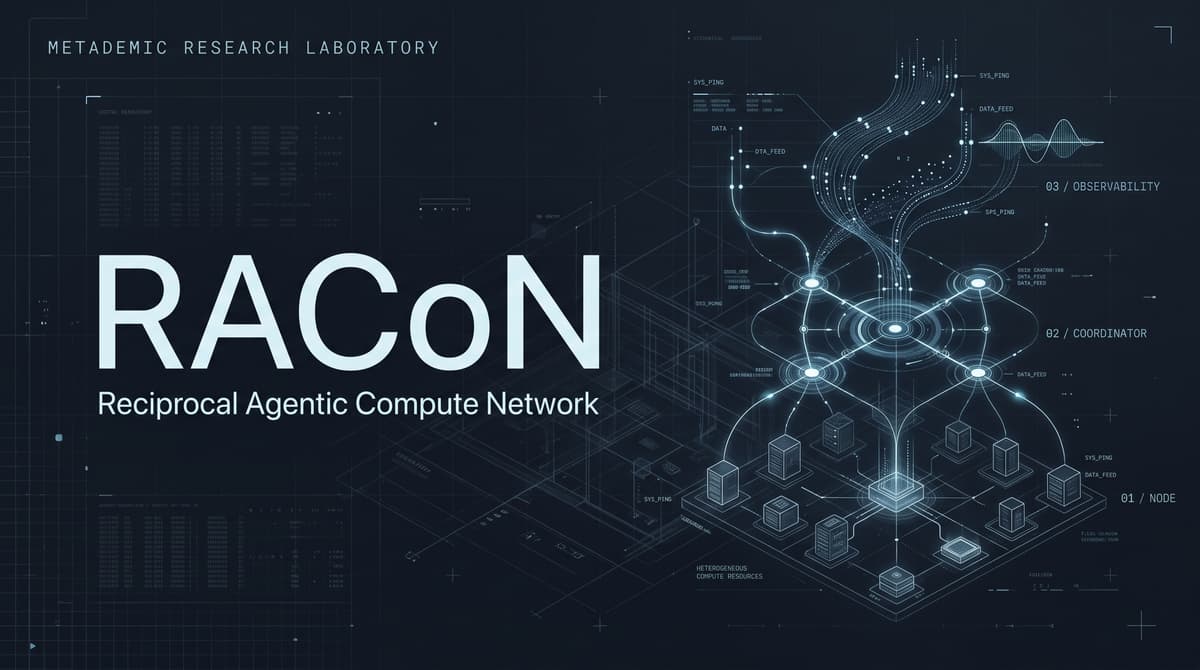
Running large models locally usually hits a hardware wall pretty fast. One machine has a decent GPU with limited VRAM, another has plenty of system memory, and a third is just sitting idle with spare disk space and CPU cycles. With RACoN (Reciprocal Agentic Compute Network), we wanted to see if we could pool these mixed machines together and expose them as one logical AI inference service. Designing a system like this means separating cluster management from raw tensor math. Here is how we laid out the architecture.

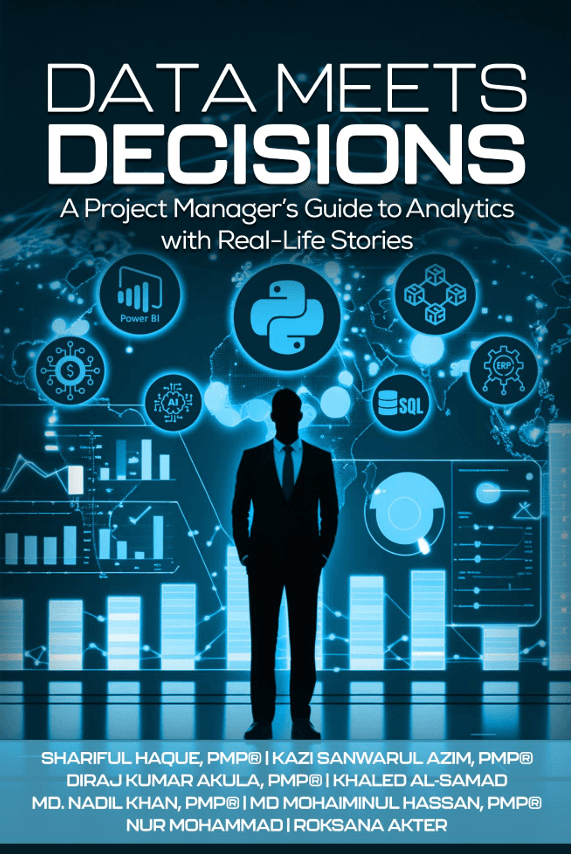
Data Meets Decisions serves as a bridge between the often-siloed worlds of project management and data analytics. It argues that project failure is rarely a lack of data, but a failure to translate that data into actionable, strategic decisions.
Get In Touch
Have a project in mind or just want to say hi? I would love to hear from you.